Views: 0 Author: Site Editor Publish Time: 2026-06-08 Origin: Site
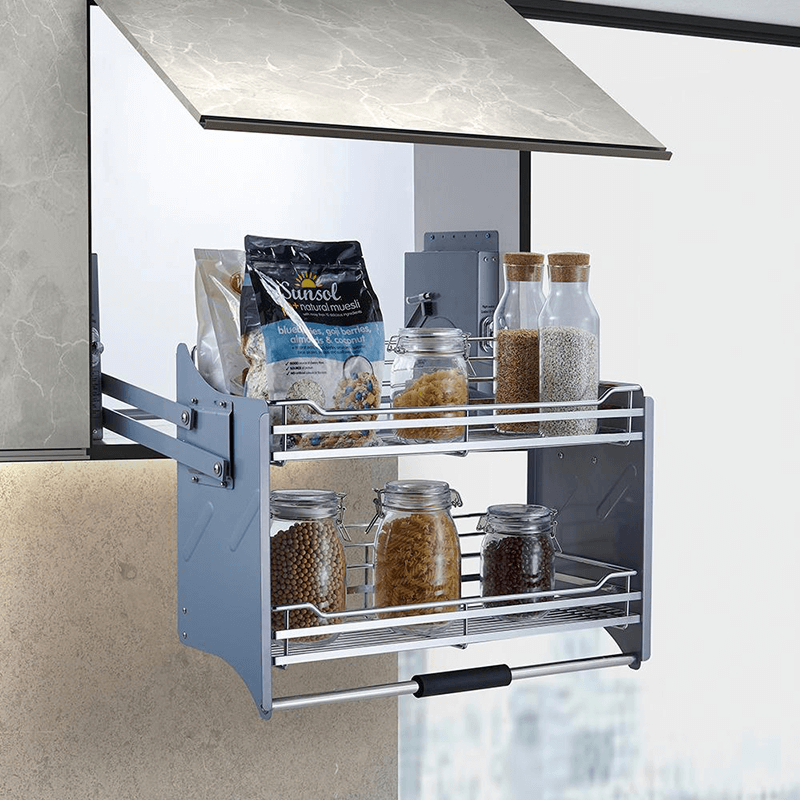
Standard upper cabinets harbor a hidden structural flaw for universal kitchen design. They frequently transform the top thirty percent of storage into inaccessible dead space. Worse, they create daily safety hazards. We traditionally rely on wobbly step stools to reach high shelves. However, modern residential architecture demands a safer approach. Transitioning to integrated hardware solutions solves this problem efficiently. Specifically, the mechanical design of a Pull Down Cabinet Basket turns out-of-reach zones into highly accessible spaces.
We must stop viewing this hardware as a mere luxury upgrade. Instead, view it as a primary engine for aging-in-place compliance. It significantly boosts ergonomic efficiency while reshaping accessible environments. You will learn exactly how these systems function mechanically. We will also explore installation realities and crucial clearance metrics. Soon, you can confidently reclaim your upper cabinetry without initiating a massive, full-scale kitchen renovation.
Space vs. Usability: Installing a pull down cabinet basket reduces total cubic storage volume but increases functional, daily-accessible space by up to 100%.
Mechanism Matters: Evaluation requires choosing between gas-strut and mechanical spring systems based on the intended load weight (dry goods vs. heavy dishware).
Clearance is Critical: Successful retrofitting depends strictly on measuring interior clearances, accounting for face-frames, and bypassing door hinges.
Installation Reality: While DIY-friendly for intermediate homeowners, improper side-mounting can compromise cabinet structural integrity under heavy dynamic loads.
Most kitchens follow rigid dimensional standards. Base cabinets stand thirty-six inches high. Builders then leave an eighteen-inch vertical clearance before hanging upper cabinets. This design places the lowest upper shelf at fifty-four inches above the floor. The second and third shelves frequently sit at sixty-four to seventy-four inches high. These heights remain severely out of ergonomic reach for users under five feet four inches tall. They also exclude wheelchair users and individuals experiencing shoulder mobility constraints.
Homeowners often rely on step stools to access these upper zones. This habit introduces serious residential fall risks. Climbing to retrieve basic pantry items contradicts fundamental aging-in-place strategies. It also violates ADA-compliant residential guidelines, which recommend a maximum high forward reach of forty-eight inches. We sacrifice safety for the sake of temporary convenience.
Transitioning from static shelving to a dynamic pull down wall shelf bridges this physical gap. You do not need to tear out your existing kitchen layout. You also avoid paying for custom lowered cabinetry. Modern hardware lowers the shelf contents directly to countertop level. This simple adaptation transforms a hazardous layout into a universally accessible workspace.
The magic behind these systems relies on precise kinetic design. The articulating arm serves as the core component. It uses pivot mechanics to bring the shelf forward and down in a single fluid motion. You grab the handle, pull outward slightly, and the mechanism guides the payload down to your level. It stops gently over the countertop space.
Tension and load balancing dictate how well the system operates. These units require a minimum amount of weight to function correctly. If you pull down an empty shelf, the tension system will aggressively snap it back up. Conversely, an overloaded unit will sag or drop too quickly. Manufacturers offer two primary tension mechanisms to manage this load:
Adjustable Gas Struts: These provide a smooth, premium feel. They function similarly to the hydraulic lifts on a car hatchback. You can often adjust the tension dial to match your specific payload weight.
Tension Springs: These are highly durable and cost-effective. They use coiled metal springs to assist the lift. They handle heavy, repetitive use brilliantly but offer slightly less finesse than gas struts.
Material construction also impacts daily performance. Chrome-plated heavy-gauge wire baskets look modern and resist moisture. However, they lack stability for small items. Spice jars or thin packets might tip over between the wire gaps. Solid-bottom melamine shelves provide superior stability. They excel at holding tall, narrow items like cereal boxes securely. When selecting a Pull Down Cabinet Basket, always match the shelf material to your intended grocery types.
Hardware selection requires precise measurement and cabinet assessment. You must first identify your cabinet type. Modern kitchens typically feature frameless cabinets. These offer a smooth interior box. Traditional kitchens often utilize face-frame cabinets. These feature a wooden lip around the front opening. Face-frame cabinets present a distinct installation challenge. The articulating arms need space to swing outward. You must install wooden blocking or plastic spacers inside the cabinet. These spacers flush out the interior walls, allowing the mechanism to clear the frame opening safely.
Hinge interference causes the most common installation failures. European or concealed hinges protrude into the cabinet space. You must calculate clearance carefully. The basket must clear this hinge hardware entirely when pulled downward. Ignoring this metric results in scraped metal and jammed shelves.
We must evaluate weight capacity limits transparently. Most pull-down units support between fifteen and thirty-five pounds safely. They do not handle extreme loads. You should use them for Tupperware, dry goods, coffee supplies, and light dishware. Do not load them with cast iron skillets or bulk canned goods. Overloading destroys the articulating joints.
Finally, understand sizing regulations. Never measure external cabinet dimensions. You must measure the absolute minimum interior opening. Check the width, depth, and height from the inside edges. Ensure you account for any internal obstructions like corner gussets or shelf pegs.
Cabinet Type | Hinge Style | Mounting Consideration | Spacer Requirement |
|---|---|---|---|
Frameless | Concealed Euro | Side-mount ready | None typically needed |
Face-Frame | Traditional | Requires interior build-out | Essential for arm clearance |
Trustworthy hardware upgrades require acknowledging trade-offs. The "lost space" reality is a primary factor. The housing mechanism and articulating arms consume physical space. They typically take up two to four inches of internal width and depth. You sacrifice total gross storage volume. However, you gain highly functional, net accessible space. Dead zones transform into daily-use zones. This trade-off heavily favors usability.
Mounting requirements vary between models. Bottom-mount systems rest directly on an existing sturdy shelf. They offer easier installation and tolerate minor measuring errors. Side-mount systems attach directly to the cabinet walls. They feel more stable but demand precise leveling. If your cabinet walls sit out of plumb, the arms will bind during operation.
We must discuss the risk of cabinet floor blowout. Many modern builder-grade cabinets use particleboard or MDF (Medium Density Fiberboard). MDF lacks superior screw-holding power. When you pull a loaded shelf downward, you introduce dynamic kinetic force. This force yanks constantly on the mounting screws. Over time, heavy-duty hardware can pull right out of weak MDF. You should reinforce the cabinet base or sides with hardwood cleats before installing heavy-duty systems.
Maintenance guarantees longevity. These are kinetic machines inside your kitchen. You must perform routine checks. Look for structural sag every few months. Tighten loose mounting screws immediately to prevent joint failure. Lubricate the pivot points annually to ensure smooth, quiet operation.
Evaluating the cost-to-value ratio reveals clear benefits. A quality manual Pull Down Cabinet Basket usually runs between $150 and $400. This price point seems high for basic storage. However, compare it to the alternatives. Motorized upper cabinets cost thousands of dollars. Custom millwork and lowered bulkheads require extensive demolition. The manual pull-down system delivers massive ergonomic upgrades for a fraction of full remodeling prices.
You should also compare alternative hardware solutions. Sometimes, a pull-down shelf is unnecessary. If your problem lies in deep, low spaces, choose blind corner optimizers. If you struggle with narrow vertical spaces, install tall pantry pull-outs. If your upper cabinets only hold holiday platters, simply keep the standard shelves. Optimize item placement by storing rare items high and daily items low.
If you decide to proceed, follow these immediate next-step actions:
Empty the target cabinet completely. You cannot visualize the spatial requirements while boxes clutter the shelves.
Measure the true internal dimensions. Record the interior width while actively clearing the hinges. Measure the absolute depth and interior height.
Audit the intended payload. Physically weigh the items you plan to store there. Ensure the total weight falls squarely within the hardware's operating parameters.
A pull down wall shelf stands as the most cost-effective method to reclaim upper cabinet space. It offers a structurally sound solution for any user prioritizing kitchen ergonomics. By eliminating the need for step stools, you drastically reduce household fall risks. You also embrace universal design principles without altering your home's exterior footprint.
Do not let high shelves dictate your daily kitchen routine. Take ten minutes today to measure your primary pain-point cabinet. Gather the internal dimensions carefully. If you feel unsure about face-frame blocking, consult a local kitchen designer. They can specify the exact hardware size needed for your current layout, ensuring a flawless and highly functional installation.
A: Yes, but you must respect strict load limits. Most units handle up to 35 pounds safely. A stack of ceramic plates grows heavy very quickly. If you store glassware, prioritize models featuring soft-close and soft-open mechanisms. These features prevent violent snapping motions, keeping delicate glasses from rattling or tipping over during movement.
A: Intermediate DIYers can easily handle frameless cabinet installations. You just need a drill, level, and tape measure. However, face-frame cabinets complicate the process. You must build custom wooden spacers to push the hardware past the frame lip. If precision carpentry makes you nervous, hiring a cabinet professional prevents costly mistakes.
A: Absolutely. These systems exist specifically for retrofitting. Your existing cabinet simply needs to meet minimum depth requirements. Standard upper cabinets usually feature an 11 to 12-inch internal depth. Most pull-down units are designed specifically to fit comfortably within this standard residential footprint.
A: Most hardware baskets ship in fixed standard widths. Fortunately, the mounting brackets usually offer one to two inches of horizontal adjustability. If your custom cabinet remains wider than the maximum bracket extension, you can install wooden filler blocks on the sidewalls to bridge the excess gap safely.