Views: 0 Author: Site Editor Publish Time: 2026-06-01 Origin: Site
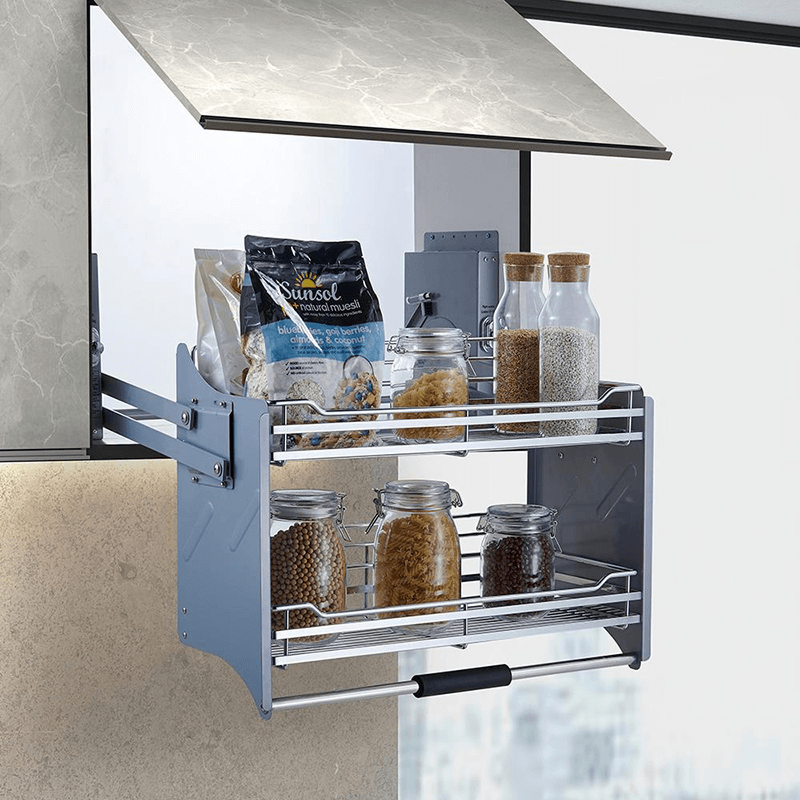
Every day, millions open their kitchen cupboards only to face deep frustration. Expired ingredients hide at the very back of deep shelves. Tall vertical spaces remain completely wasted. We also unknowingly pay a hidden price by buying duplicate spices and sauces simply because we cannot see them. Moving away from chaotic stacking requires a smarter approach to daily storage. It means shifting toward systematic inventory control using a targeted Cabinet Basket strategy.
This simple addition completely transforms dark, inaccessible shelves into highly functional spaces. However, effective cupboard organization is not merely about visual aesthetics. It demands deploying the right materials, taking precise measurements, and utilizing strategic placement. By focusing on these elements, you create a sustainable, scalable storage system. This method ensures you always know what ingredients you have, where they live, and how to reach them quickly.
Success relies on measurement: Accurate internal cupboard dimensions (accounting for hinges and shelf depth) dictate cabinet basket selection.
Material matters by zone: Wire, plastic, and natural fiber baskets each serve distinct functional and environmental needs (e.g., humidity resistance under sinks).
Accessibility over aesthetics: A well-implemented cabinet basket acts as a functional drawer, bringing back-of-cupboard items into immediate view.
Avoid over-investment: Start with core high-traffic zones before rolling out a kitchen-wide basket system.
Traditional cupboards possess inherent design flaws due to their physical depth. Most lower cabinets measure 24 inches deep. Standard upper cabinets measure 12 inches deep. These dimensions inevitably create dead zones near the back wall. Poor inventory visibility leads directly to wasted food and daily frustration. We often shove newer groceries in front, pushing older items into the dark abyss.
You can instantly solve this depth problem by leveraging the "pseudo-drawer" effect. A standard storage bin functions exactly like a manual pull-out drawer. You simply grasp the handle and pull the entire container forward. This motion brings every single item into the light. It eliminates the need for expensive custom carpentry or professional slide-out hardware installation. You gain immediate access to your entire inventory at a fraction of the cost.
To measure the success of your implementation, evaluate your kitchen against these specific criteria:
Reduction in search time: You should locate daily-use items within seconds rather than minutes.
Prevention of ingredient spoilage: The system must encourage a strict first-in, first-out rotation strategy.
Ease of physical extraction: Containers must feature ergonomic handles and support manageable weight loads to prevent user strain.
Common Mistake: Many homeowners prioritize matching colors over functional design. Buying visually identical containers for every single cupboard often ignores the diverse weight and shape requirements of different groceries.
Best for: Pantry staples, root vegetables, heavy cans.
Metal options provide incredible durability and support significant weight. They offer high visibility from all angles. You can easily spot a specific soup can through the wire mesh. Furthermore, wire mesh allows loose dirt from onions or potatoes to fall through, ensuring zero dust accumulation inside the container itself. Superior weight capacity makes them ideal for dense, heavy loads.
Risk: Unprotected metal edges easily scratch painted or wooden shelves. You must fit them with adhesive glide pads or felt strips to protect your cabinetry.
Best for: Spices, small packets, under-sink cleaning supplies.
Clear plastics deliver immediate visual inventory control. You know instantly if you are running low on a specific spice. They also excel under sinks because they remain entirely leak-proof. If a bottle of liquid soap spills, the plastic bin catches the mess. You can easily sanitize them using warm soapy water in the sink.
Risk: Acrylic is highly prone to scuffing and scratching over time. They also offer lower aesthetic appeal in open cabinetry compared to natural materials.
Best for: Upper-tier bulk storage, lightweight snacks, open shelving.
Natural fibers bring high aesthetic value to any space. They beautifully conceal visual clutter and mixed packaging. If you have brightly colored snack bags, a wicker bin hides them completely. They look fantastic on open, floating shelves.
Risk: Woven textures are notoriously difficult to clean if something spills. They also absorb moisture. This makes them highly susceptible to mold in high-humidity zones, such as cupboards located directly above dishwashers or kettles. Finally, they often feature tapered bases that waste valuable horizontal shelf space.
Material Type | Primary Benefit | Major Drawback | Ideal Usage Scenario |
|---|---|---|---|
Wire / Metal | Maximum weight capacity | May scratch delicate shelves | Canned goods, root vegetables |
Acrylic / Plastic | Leak-proof and easy to clean | Prone to scuffing | Under-sink chemicals, small packets |
Natural Fibers | Conceals visual clutter beautifully | Susceptible to mold and stains | Lightweight snacks on open shelves |
Many homeowners eagerly buy containers based solely on standard manufacturer dimensions. This approach frequently fails. A label might claim a bin is 12 inches wide. However, your 12-inch cupboard contains internal hardware.
Actionable Step: Always measure the clear opening of the cupboard. Open the door fully. Measure the distance between the hinge hardware and the opposite frame. You must subtract 1 to 2 inches from your total measurement. This crucial buffer ensures your newly purchased Cabinet Basket glides out smoothly without crashing into door hinges.
We naturally assume container dimensions apply uniformly. Unfortunately, manufacturers often heavily taper their designs to allow for nested shipping. The top rim might measure 10 inches wide, but the internal base shrinks to just 8 inches.
This aggressive taper significantly reduces your actual usable storage volume. You lose precious square footage when placing multiple tapered bins side by side. Always seek out products featuring straight, vertical walls. Straight walls maximize every single inch of available shelf real estate.
Vertical space planning requires just as much attention as horizontal width. You must leave a minimum of 2 inches of clearance between the top of your container (when fully loaded) and the shelf directly above it.
This deliberate gap allows for angled retrieval. You can tilt the bin slightly and slide it out without dragging items against the upper shelf. Without this clearance, you must forcefully pull the entire unit out to extract a single item. Proper vertical spacing ensures a frictionless user experience.
These primary spaces handle the highest traffic in your kitchen. You reach for cooking oils, daily seasonings, and breakfast items constantly. Focus exclusively on open-top, rigid-structure containers here. Avoid lids entirely. Lids create an unnecessary physical barrier to frequently used items. Your priority in Zone 1 is immediate, unobstructed access. Sturdy handles are essential because you will move these containers multiple times a day.
The dark cavern beneath the sink presents unique implementation challenges. Plumbing pipes, garbage disposals, and water hoses disrupt the physical space. Furthermore, this area carries a high risk of moisture damage and chemical spills.
You strictly require waterproof materials here. Address the awkward pipe layouts by utilizing narrow, deep containers. You can also implement tiered sliding units designed specifically to curve around central plumbing fixtures. Never use cardboard or natural wicker in Zone 2.
Reserve your highest shelves for items you use rarely. Seasonal baking pans, holiday serving dishes, and bulk backstock belong here. Because you must reach above your head, safety becomes the primary concern.
Use lightweight options featuring reinforced front handles. Avoid placing dense, heavy items in overhead bins to eliminate weight-limit risks during retrieval. Dropping a heavy glass-filled bin from Zone 3 can cause serious injury.
Zone Level | Location | Item Frequency | Recommended Solution |
|---|---|---|---|
Zone 1 | Eye-level & lower shelves | Daily (High) | Open-top, rigid bins, no lids |
Zone 2 | Under the sink | Weekly (Medium) | Narrow, leak-proof plastic |
Zone 3 | High overhead shelves | Seasonal (Low) | Lightweight bins, strong handles |
When upgrading your kitchen, you face a clear choice between budget-friendly finds and premium hardware. Both categories offer distinct advantages and distinct limitations depending on how you plan to use them.
Assessing Budget Options (e.g., Dollar Store Plastics):
These ultra-cheap alternatives present a remarkably low barrier to entry. They allow you to test an organizational layout quickly without financial strain. However, the drawbacks become apparent quickly. Brittle plastics frequently crack under the weight of glass jars or heavy cans. Furthermore, discount manufacturers constantly change their product molds. This inconsistent sizing makes future system expansion nearly impossible.
Assessing Premium Options (e.g., Hardwood, Coated Steel, Custom Pull-outs):
Premium hardware guarantees long-term durability. Brands standardize their sizing over many years, which guarantees modular scalability over time. You can buy one today and safely buy a matching unit three years from now. They easily withstand daily abuse. The obvious drawback remains the high upfront cost required to outfit an entire kitchen.
The Verdict:
We highly recommend a hybrid approach. Allocate your budget strategically. Invest in heavy-duty, premium models for your bottom shelves where heavy items like canned goods live. Conversely, use budget-friendly plastic or lightweight fabric options for high-shelf storage holding paper goods or spare sponges. This strategy balances immediate functionality against long-term durability.
Organizing your kitchen cupboards is fundamentally an exercise in space optimization, not just superficial tidying. By carefully selecting the right dimensions, matching materials to specific zones, and understanding kitchen ergonomics, you permanently eliminate daily storage frustrations.
To begin this transformation smoothly, follow these actionable next steps:
Empty out just one single high-friction cupboard today.
Group the removed items strictly by category (e.g., baking, snacks, spices).
Measure the exact internal dimensions of the empty space, remembering to subtract two inches for hinges.
Order a small test set of containers rather than committing to a full kitchen overhaul immediately.
Taking this measured approach guarantees your new system fits perfectly and functions exactly as intended.
A: Unprotected bases quickly damage painted or wooden surfaces. You can easily prevent this by applying adhesive felt pads to the four bottom corners of metal or hard plastic containers. Alternatively, lay down thick, clear shelf liners before placing your organizers. Always prioritize buying products explicitly designed with smooth, flat bases over rough, textured bottoms.
A: Cleaning methods strictly depend on the material. You should wipe down wire metal using a damp microfiber cloth to avoid rust. Many hard acrylic plastics are top-rack dishwasher safe, but always verify the manufacturer label to prevent warping. For woven wicker, use a standard vacuum attachment to pull dust from the crevices, as soaking them encourages mold growth.
A: Square containers perform poorly in deep, blind corner cupboards because they cannot easily navigate the tight angles. Instead of standard rectangles, you should explore highly specific kidney-shaped pull-outs or multi-tiered Lazy Susans. These rotating alternatives utilize the awkward circular geometry far better than rigid square containers.